
 (203) 333-3339
Rideshare Accident Lawyers – Injured in an Uber or Lyft Crash in Stamford?

Getting hurt in a rideshare accident is already stressful. What makes it harder is that these cases don’t work like a typical car crash. There’s no single insurer to call, no simple chain of responsibility. Instead, you’re dealing with layered insurance policies, a company that classifies its drivers as independent contractors to limit its own liability, and insurers who are very good at finding reasons to pay you less. If you’re looking for a Stamford rideshare accident lawyer, you want someone who has handled these cases before and knows how Connecticut’s insurance rules actually play out in practice. At Wocl Leydon, our Connecticut Uber accident attorneys have spent decades untangling exactly these kinds of situations for injured people across the state, and we know what it takes to get this right.
Why Rideshare Cases Are More Complicated Than They Look
When you’re hurt in a crash involving an Uber or Lyft driver, the first question isn’t just “who caused the accident?” It’s also “what was the driver doing at the exact moment of the crash?” That detail determines which insurance policy applies, and the difference can be enormous.
Here’s how Connecticut coverage breaks down depending on the driver’s status at the time of the accident:
App was off. If the driver wasn’t logged into the Uber or Lyft app, the rideshare company wants nothing to do with your claim. The driver’s personal auto insurance is all that applies. The problem is that many personal policies exclude rideshare driving, which can leave victims scrambling for coverage.
App on, waiting for a ride. Once the driver logs in but hasn’t accepted a trip yet, Uber and Lyft provide contingent liability coverage. Connecticut law requires $50,000 per person / $100,000 per accident for bodily injury and $25,000 for property damage during this phase. It’s secondary coverage, meaning the driver’s personal policy should kick in first, but often doesn’t.
Ride accepted or passenger onboard. This is where the full commercial policy applies. In Connecticut, Uber and Lyft carry up to $1 million in liability coverage per accident once a ride is accepted. If you were a passenger, this is typically the policy you’re pursuing. Even so, these companies don’t just hand over a million dollars. They push back, dispute fault, and look for any reason to lower what they owe.

Get Your FREE Case Review,
In Person or Virtually Online
Figuring Out Who’s Actually Responsible
Liability in rideshare crashes rarely falls on just one party. The driver might be at fault. Another driver might have caused the crash. The rideshare company’s insurance may or may not apply depending on what their records show about the driver’s app status. All of this has to be sorted out before anyone can recover anything.
Connecticut follows a modified comparative negligence rule, which means you can still recover damages as long as you weren’t more than 50% at fault. If multiple drivers share responsibility, each party’s percentage of fault reduces your recovery proportionally. As a passenger, you’re typically not at fault at all, which puts you in a strong position to pursue the full commercial policy.
If another driver caused the crash and doesn’t have enough insurance to cover your injuries, Uber and Lyft’s uninsured/underinsured motorist coverage may apply. These are exactly the kinds of overlapping issues that make it worth having an attorney who handles these cases regularly.
What to Do Right After the Accident
The steps you take in the hours and days after a rideshare crash can have a real impact on your case.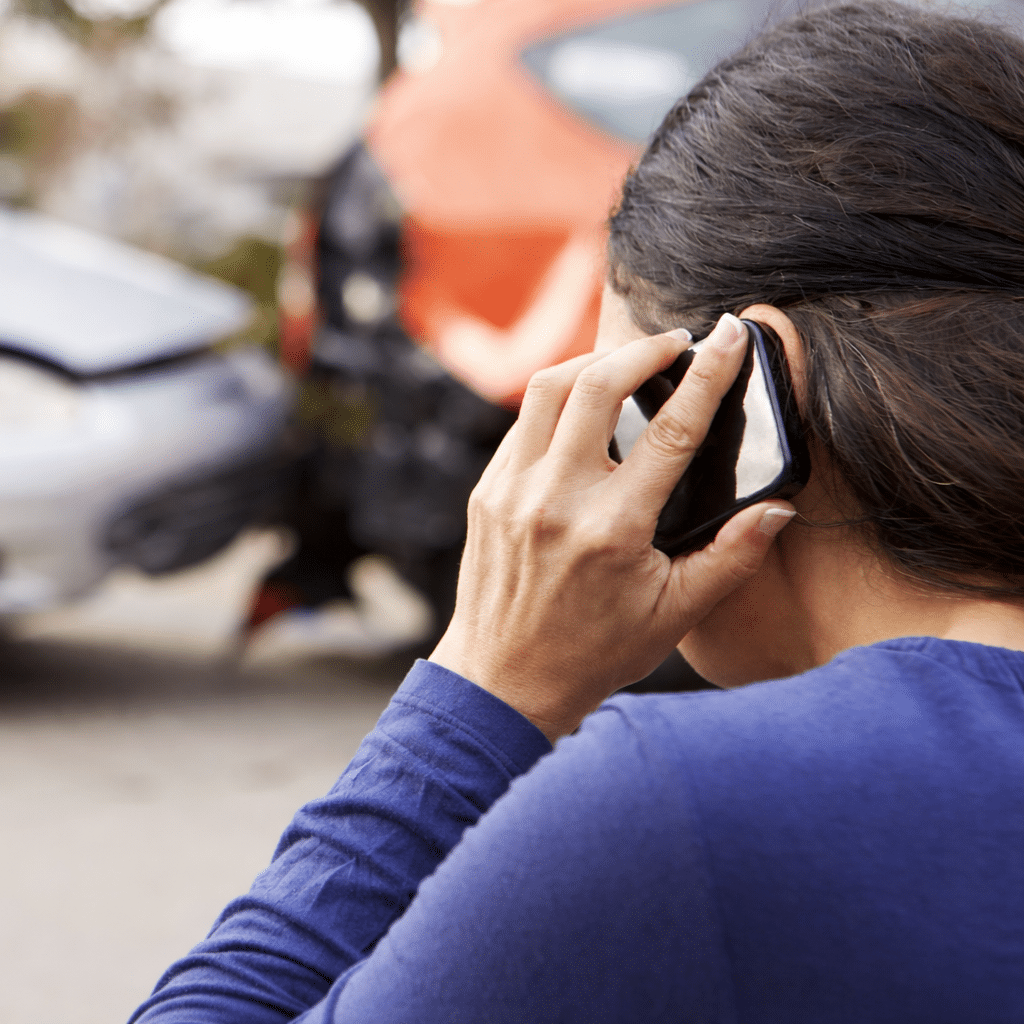
Call 911 and get medical attention, even if you feel okay. Adrenaline masks pain, and a same-day medical record creates a clear link between the accident and your injuries. If you’re able to, photograph everything at the scene: the vehicles, the damage, road conditions, and any visible injuries. Get the driver’s name, license plate, and insurance information, and make note of whether the app was active. Collect contact information from any witnesses.
Report the accident through Uber or Lyft’s in-app system, and request a copy of the police report. Save any trip receipts, app records, and messages that confirm you were a passenger and document the timeline.
Then, before you give any recorded statement to any insurance company, talk to a lawyer. Adjusters move quickly after accidents. They’re friendly, they sound reasonable, and they’re trying to settle your claim before you fully understand what it’s worth. Once you accept a settlement, you can’t go back, even if your injuries turn out to be more serious than they appeared. Let us handle those conversations.
What You Can Recover
If you were hurt in a rideshare crash, Connecticut law allows you to pursue compensation for:
- Medical expenses, including hospital bills, surgeries, physical therapy, prescriptions, and any future treatment related to your injuries
- Lost wages and reduced earning capacity if your injuries kept you out of work or affected your ability to do your job
- Property damage to your vehicle and personal belongings
- Pain and suffering, including physical pain, emotional distress, and the ways the injury has changed your daily life
- Other out-of-pocket costs, like transportation to medical appointments and home care
The right amount depends on the specifics of your case. That’s not a vague answer; it’s an honest one. The value of your claim is tied to your injuries, your recovery, your work situation, and the evidence available. Our job is to build the strongest case for every dollar you’re entitled to.